

The Hatfield-McCoy feud ended in the 1890s. Within thirty years, the same counties were at the center of a far larger conflict: a struggle between coal miners and the companies that employed them, which came to be called the mine wars. It involved strikes, evictions, private armies, martial law and, in 1921, the largest armed uprising in the United States since the Civil War. If the feud is the story people come for, the mine wars are the story that explains the region they find.
Coal camps and company towns
When the railroads opened the southern West Virginia coalfields in the 1890s and 1900s, companies built mines up the side hollows and, around them, whole towns. The company owned the houses, the store, the church building, the doctor's office and often the roads. Miners were frequently paid in scrip, company money good mainly at the company store, and rents were taken directly from wages.
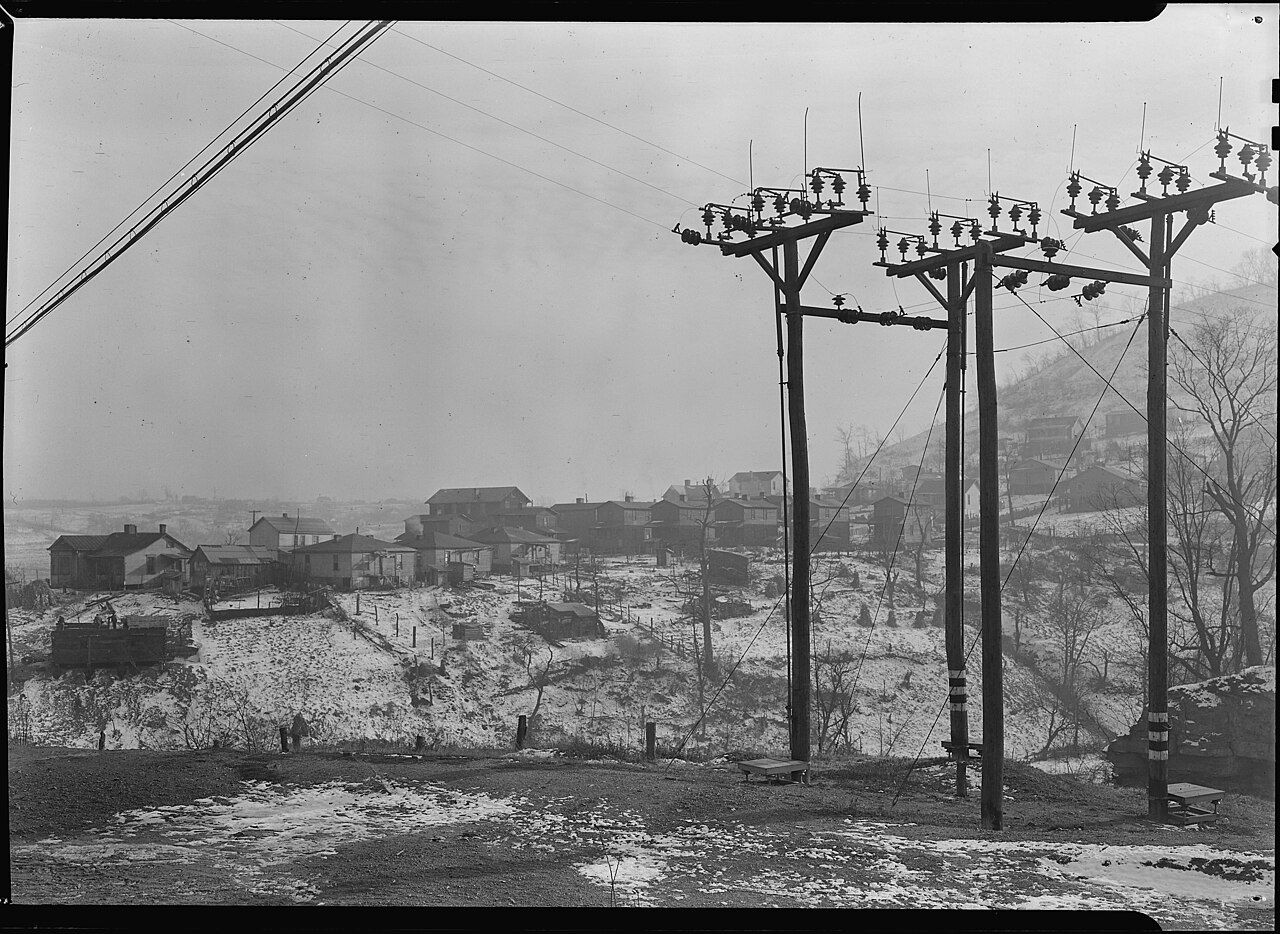

Mining was dangerous work. Roof falls, explosions and accidents killed miners regularly, and safety rules were weak. Many miners wanted a union, especially the United Mine Workers of America, to bargain over pay, hours, weighing of coal and conditions. Many operators fought hard to keep the union out, firing union members, requiring workers to sign pledges not to join, and hiring private guards. To see how the railroad created these towns in the first place, read our story of coal and the Norfolk and Western.
The early strikes
The first major outbreak came in 1912 and 1913 on Paint Creek and Cabin Creek, near Charleston. Striking miners were evicted and lived in tent colonies. Guards from the Baldwin-Felts Detective Agency, hired by operators, clashed with them, and an armored train fired on one tent colony. The state declared martial law more than once. That strike ended with partial gains for the miners and with a deep distrust on all sides that carried into the next decade.
Matewan, 1920
By 1920, the union push had reached Mingo County. In the Tug Valley, operators responded by evicting union families from company houses. On 19 May 1920, Baldwin-Felts agents came to Matewan to carry out evictions. Police Chief Sid Hatfield and Mayor Cabell Testerman confronted them, and a gunfight broke out on the town's main street. Ten people died: seven agents, two miners and the mayor.
A long strike followed in Mingo County, with shootings along the Tug and martial law. Sid Hatfield was tried for the Matewan killings and acquitted, but in August 1921 he and Ed Chambers were shot dead by Baldwin-Felts agents on the steps of the McDowell County courthouse in Welch. The full Matewan story, and how to see the town today, is in our guide to Matewan.
Another stop · MatewanMatewan: one small town, two hard historiesBlair Mountain, 1921
The killing of Sid Hatfield outraged miners across the state. In late August 1921, thousands of armed miners gathered near Marmet, south of Charleston, and began marching toward Mingo County, intending to free jailed union men and end martial law there. The route led through Logan County, where Sheriff Don Chafin, paid by coal operators, organized a defensive force of deputies, guards and volunteers along the ridges near Blair Mountain.
The two sides fought along a front of several miles for about five days, from late August into early September. Defenders used machine guns, and private aircraft dropped homemade bombs on miners' positions. Federal troops arrived at the order of President Harding, and most miners laid down their arms rather than fight the army. Estimates of the dead vary widely and remain uncertain, and many more were wounded. Union leaders were later charged with treason and other crimes; most were acquitted or saw the charges dropped.
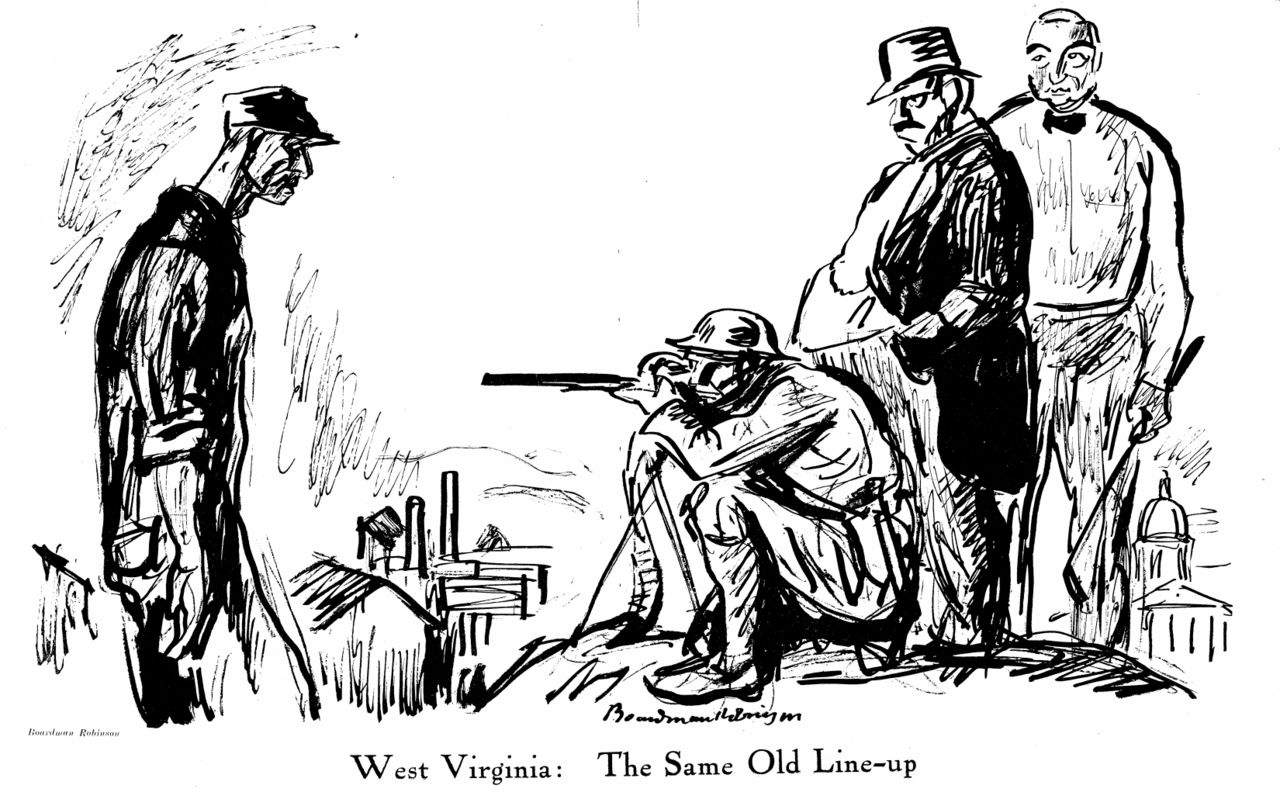

The union lost in the short run. Membership in southern West Virginia collapsed in the following years. The New Deal labor laws of the 1930s changed the terms, and the UMWA organized much of the coalfield within a few years after 1933.
What to see now
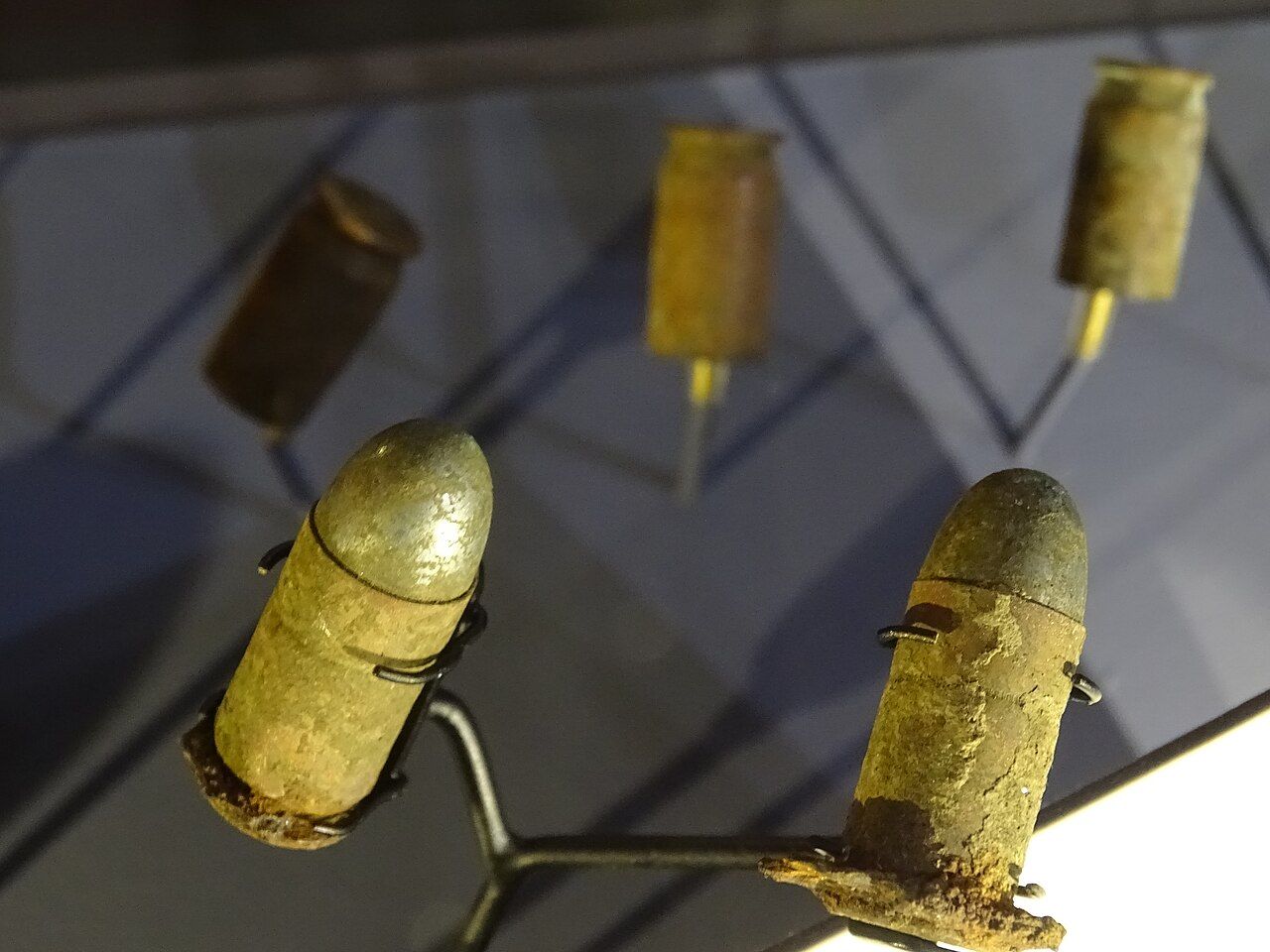
- The West Virginia Mine Wars Museum, Matewan. A small museum on Mate Street with objects, photographs and personal stories from the strikes, the massacre and Blair Mountain, including spent rounds found on the battlefield. Hours are limited and seasonal.
- Matewan's streets. Markers, the bullet marks on Mate Street and the floodwall murals tell the 1920 story on the ground.
- Blair Mountain. The battlefield ridges lie along WV 17 between Logan and Madison. A state historical marker stands by the road. Much of the land is privately owned, and parts have been mined, so view it from public roads only.
- Coal camps. Many former company towns remain as communities in the hollows of Mingo, Logan and McDowell counties. Rows of matching houses and old store buildings often give them away.
The status of Blair Mountain has been disputed for years, including its standing on the National Register of Historic Places and the question of mining on the ridge.
How the mine wars connect to the feud
The links are partly of place and partly of family. The Matewan police chief came from the Hatfield family, and the same hollows that saw the feud saw the evictions and the strike. Some writers have used the feud to describe the region as naturally violent, a view that historians of the mine wars generally reject: the later conflict grew out of labor conditions, company power and law enforcement paid by operators, not out of mountain character. For the earlier story, start with our short history of the feud.
Visiting both stories in one trip gives a fuller sense of the region than either alone. The feud explains the families and the border; the mine wars explain the towns, the railroad and the shape of the twentieth century here.